Product Description:
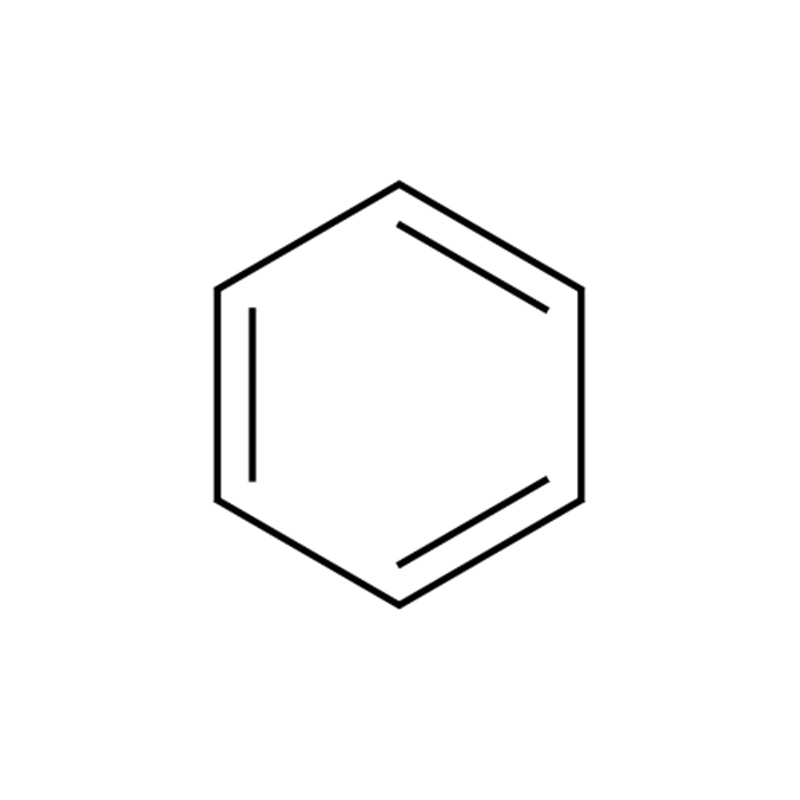
Benzene, molecular formula C₆H₆, is an aromatic hydrocarbon appearing as a colourless liquid with distinctive sweet-smelling vapour and high flammability. As an essential feedstock within chemical sectors, it finds extensive deployment in producing polymers, synthetic fibres, rubber goods and a broad spectrum of chemical end-products. Furthermore, benzene acts as a fundamental intermediate for manufacturing many derivative substances such as styrene, phenol, cyclohexane and other industrially-relevant chemicals.
Chemical Formula: | C₆H₆ |
Molecular Weight: | 78.11 g/mol |
CAS Number: | 71-43-2 |
IUPAC Name: | Benzene |
Synonyms: | Benzol, Phenyl Hydride, Cyclohexatriene |
Boiling Point: | 80.1°C |
Melting Point: | 5.5°C |
Density: | 0.879 g/cm³ at 20°C |
Vapor Pressure: | 12.8 mmHg at 20°C |
Solubility: | Insoluble in water, soluble in organic solvents like alcohol, ether, and chloroform |
Flash Point: | -11°C (10°F) (closed cup) |
Appearance: | Colorless liquid with a sweet odor |
Refractive Index: | 1.501 at 20°C |
Viscosity: | 0.65 cP at 25°C |
Evaporation Rate: | 4.4 (butyl acetate = 1) |
Chemical Manufacturing:
Styrene synthesis Benzene acts as the major starting material for styrene output. Styrene is indispensable for the fabrication of polystyrene, ABS polymers and synthetic rubber materials.
Phenol synthesis Benzene also participates in phenol manufacturing. Phenol is a vital ingredient applied within plastics, resin systems and adhesive formulations.
Cyclohexane synthesis Cyclohexane is prepared from benzene feedstock, and this cycloalkane further supports the manufacturing of nylon as well as other man-made fibre products.
Caprolactam synthesis Benzene takes part in caprolactam production; caprolactam functions as a core intermediate for Nylon-6 manufacture.
Solvent applications Thanks to its dissolving capability, benzene has been adopted in laboratory work and industrial operations to dissolve oils, resins and similar materials. Nevertheless, its toxic and carcinogenic characteristics have driven widespread substitution by less-hazardous solvent options.
Pharmaceutical sector Benzene is utilised for synthesizing diverse pharmaceutical molecules and chemical intermediates.
Synthetic rubber manufacture It contributes to the production of butadiene-based synthetic rubber for tyres and assorted rubber finished goods.
Paints and surface coatings Benzene works as dissolving agent while preparing paints, protective coatings, varnishes and lacquer products.
Health related safety notes Authoritative health bodies such as IARC (International Agency for Research on Cancer) categorize benzene as a carcinogenic substance. Prolonged exposure can trigger serious health hazards including leukaemia and bone-marrow impairment. Recommended protective measures during benzene handling are listed below: Wear protective gloves and suitable work garments - Maintain adequate local ventilation - Prevent direct inhalation of its vapour