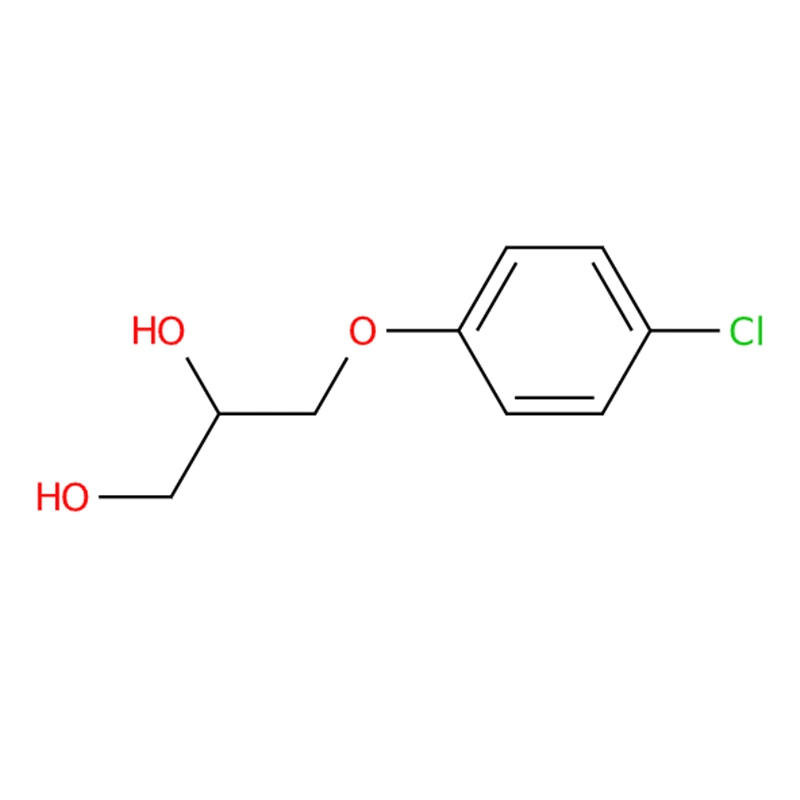
Product Description of Chlorphenesin CAS#104-29-0
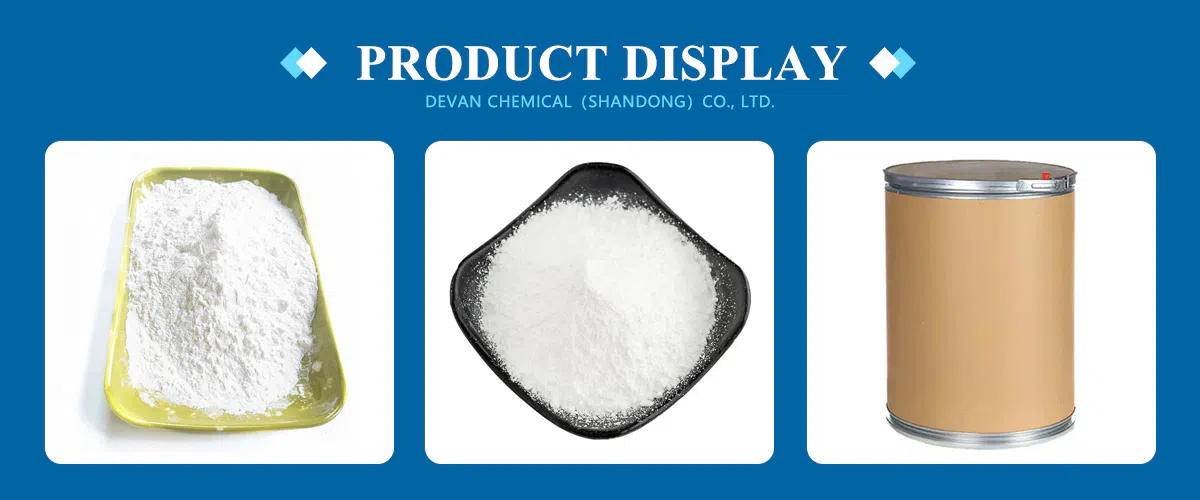
Chlorphenesin serves as a popular preservative ingredient for cosmetic preparations, and it keeps good compatibility with mainstream antiseptic substances such as potassium sorbate, sodium benzoate and methylisothiazolinone. This chemical exists as white crystalline solids with subtle inherent smell, and its melting-point range falls from 77.0-79.0°C.
Its water-solubility stays low at roughly 0.5%, while the solubility value reaches 5 percent inside 95-percent ethyl-alcohol solvent. The compound can dissolve within ether solvents, show limited solubility in plant fixed oils and remain undissolvable in white mineral oil.
With wide-ranging germ-inhibiting capacity, the ingredient works against gram-positive and gram-negative bacteria. It also delivers restraining effects on multiple fungus strains, including Aspergillus niger, Penicillium pineophilum, Candida albicans and Saccharomyces cerevisiae.
Chlorphenesin Chemical Properties
| Melting point | 77-79°C |
| Boiling point | 290.96°C (rough estimate) |
| density | 1.2411 (rough estimate) |
| vapor pressure | 0Pa at 25℃ |
| RTECS | TY4260000 |
| refractive index | 1.5470 (estimate) |
| storage temp. | Sealed in dry,Room Temperature |
| solubility | DMSO (Slightly), Ethanol (Slightly), Methanol (Slightly, Sonicated) |
| form | Solid |
| pka | 13.44±0.20(Predicted) |
| color | White to Off-White |
| Water Solubility | Slightly soluble in water. |
| LogP | 1.23 at 23℃ |
| CAS DataBase Reference | 104-29-0(CAS DataBase Reference) |
| NIST Chemistry Reference | 1,2-Propanediol, 3-(4-chlorophenoxy)-(104-29-0) |
| Risk Statements | 20/21/22-36/37/38 |
| Safety Statements | 26-36-37 |
| HS Code | 29094990 |

Product Application of Chlorphenesin CAS#104-29-0
Benefiting from its bacteria-resistant and fungus-inhibiting traits, Chlorphenesin can acts as a commonplace preservative within cosmetic-grade formulas. It can avoid common product defects, including viscosity-pH fluctuation, emulsion separation, microorganism breeding, colour deterioration and bad odour generation. This additive is added into numerous skincare and makeup goods: face-hydrating creams, anti-ageing essences, sun-block items, foundation makeup, eye ointments, skin cleansers, eyelash mascara and colour-correcting concealers.
Its pharmaceutical-grade preparations serve as antigen-related immunosuppressants to restrain histamine release triggered by immunoglobulin. Multiple dosage forms are developed for its antifungal usage against bacterium-related complaints, vaginal mycosis and trichomoniasis.